

Heating systems are an essential part of comfortable living, especially in regions where winters can become harsh and temperatures drop significantly. Among the most popular and effective heating solutions used around the world are furnaces. A well-designed furnace provides reliable warmth, improves indoor comfort, and can even contribute to better energy efficiency when properly maintained.
In this article, we will explore how furnaces work, the different types available, their benefits, maintenance requirements, and what homeowners should consider before choosing a heating system for their property.
What Is a Furnace?
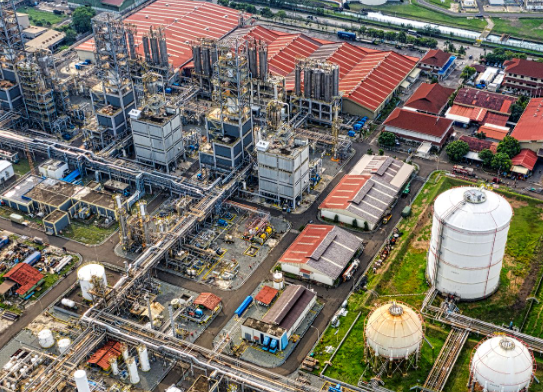
A furnace is a heating device designed to generate and distribute heat throughout a building. It is commonly installed in homes, offices, industrial buildings, and commercial spaces. The primary function of a furnace is to heat air and circulate it using ductwork and vents.
Modern furnace systems are significantly more advanced than older models. They are designed to provide consistent temperatures while reducing energy consumption and environmental impact. Depending on the fuel source, a furnace can operate using natural gas, electricity, oil, or propane.
Most residential heating systems rely on central heating, where the furnace acts as the heart of the entire setup. Warm air is distributed through ducts, ensuring that every room receives adequate heating during colder months.
How Does a Furnace Work?
Understanding how a furnace operates helps homeowners better maintain their systems and improve efficiency.
Step 1: Thermostat Activation
The heating process begins when the thermostat detects that indoor temperatures have fallen below the desired setting. The thermostat sends a signal to the furnace to start operating.
Step 2: Fuel Ignition
Depending on the type of system, the furnace ignites fuel or activates electrical heating components. Gas furnaces use burners, while electric furnaces rely on heating elements.
Step 3: Heat Exchange
The generated heat passes through a heat exchanger. This component warms the air while keeping harmful combustion gases separated from breathable indoor air.
Step 4: Air Distribution
A blower fan pushes the heated air through ducts and into different rooms using vents. Once the home reaches the desired temperature, the thermostat instructs the furnace to shut off.
Types of Furnaces
There are several types of furnaces available today, each with unique advantages and disadvantages.
Gas Furnaces
Gas furnaces are among the most popular heating systems due to their efficiency and lower operating costs. They use natural gas to produce heat and are ideal for colder climates.
Advantages include:
Lower heating costs
Fast and effective heating
High efficiency models available
Disadvantages may include:
Installation costs
Dependence on gas supply
Need for proper ventilation
Electric Furnaces
Electric furnaces use electrical heating elements instead of combustion. These systems are generally easier to install and maintain.
Benefits include:
Quiet operation
Lower upfront installation costs
No combustion gases
However, electricity can be expensive in some regions, making long-term operating costs higher.
Oil Furnaces
Oil furnaces are still used in certain rural areas where natural gas access is limited. These systems produce strong heating output and work effectively in extremely cold weather.
Challenges include:
Fuel storage requirements
Regular maintenance
Higher environmental impact
Propane Furnaces
Propane systems are commonly used in areas without natural gas infrastructure. Propane burns efficiently and offers reliable heating performance.
Benefits of Installing a Furnace
A high-quality furnace offers numerous advantages for homeowners and businesses.
Reliable Heating Performance
One of the biggest benefits of a furnace is consistent and dependable heating. Modern systems can quickly warm indoor spaces even during severe winter conditions.
Improved Indoor Comfort
Advanced furnace models distribute heat evenly throughout the building, eliminating cold spots and maintaining comfortable temperatures.
Energy Efficiency
Many modern systems feature high Annual Fuel Utilization Efficiency (AFUE) ratings. High-efficiency units use less energy while delivering better heating performance.
Long Lifespan
With proper maintenance, a furnace can last 15–25 years or longer. Routine servicing helps extend equipment lifespan and reduce repair costs.
Better Air Quality
Modern heating systems often include advanced filtration systems that help reduce dust, allergens, and airborne particles.
Signs Your Furnace Needs Repair
Like any mechanical system, furnaces can develop issues over time. Recognizing early warning signs helps prevent expensive repairs and unexpected breakdowns.
Unusual Noises
Banging, rattling, squealing, or grinding sounds may indicate loose parts, motor problems, or airflow restrictions.
Weak Airflow
Poor airflow can result from clogged filters, duct issues, or blower motor problems.
Frequent Cycling
If the furnace turns on and off too often, the thermostat, airflow system, or internal components may require inspection.
Increased Energy Bills
A sudden rise in heating costs often suggests the system is operating inefficiently.
Uneven Heating
Some rooms may remain colder than others due to duct leaks, blocked vents, or furnace performance problems.
Importance of Furnace Maintenance
Routine maintenance is essential for keeping a furnace operating safely and efficiently.
Replace Air Filters Regularly
Dirty filters reduce airflow and force the system to work harder. Replacing filters every one to three months can significantly improve performance.
Inspect the Thermostat
A properly functioning thermostat ensures accurate temperature control and energy savings.
Schedule Annual Professional Inspections
Professional technicians can identify worn components, clean internal parts, and ensure safe operation before winter begins.
Keep Vents Clean
Blocked vents can restrict airflow and reduce heating efficiency.
Check for Carbon Monoxide Leaks
Gas furnaces should always be inspected for potential carbon monoxide issues. Installing detectors throughout the home adds an extra layer of protection.
Energy Efficiency and Modern Furnace Technology
Heating technology has improved dramatically in recent years. Today’s furnace systems are smarter, quieter, and more energy-efficient than ever before.
Variable-Speed Blowers
Variable-speed motors adjust airflow based on heating demand, improving comfort and reducing energy use.
Smart Thermostats
Modern thermostats allow homeowners to program schedules and control heating remotely using smartphones.
Condensing Furnaces
High-efficiency condensing systems capture additional heat from exhaust gases, increasing efficiency ratings above 90%.
Zoned Heating Systems
Zoning technology allows different areas of a home to maintain separate temperatures, improving comfort and lowering costs.
Choosing the Right Furnace
Selecting the best heating system depends on several important factors.
Home Size
A furnace must be properly sized for the building. An undersized unit may struggle to heat the space, while an oversized system can waste energy.
Climate Conditions
Cold climates often require more powerful heating solutions with higher efficiency ratings.
Fuel Availability
The availability and cost of natural gas, electricity, oil, or propane can influence the best choice.
Efficiency Ratings
Higher AFUE ratings generally mean lower energy costs over time.
Installation Budget
Homeowners should consider both initial installation expenses and long-term operating costs.
Common Furnace Mistakes Homeowners Make
Many people unintentionally reduce the lifespan and efficiency of their systems.
Common mistakes include:
Ignoring filter replacement
Blocking air vents with furniture
Skipping annual inspections
Setting the thermostat too high
Delaying repairs
Avoiding these issues helps maintain consistent heating performance and prevents costly breakdowns.
Environmental Impact of Furnaces
Environmental concerns are increasingly important when selecting heating systems. Older furnaces tend to consume more fuel and produce higher emissions.
Modern high-efficiency models are designed to:
Reduce fuel consumption
Lower greenhouse gas emissions
Improve energy conservation
Support sustainable home heating
Electric furnace systems powered by renewable energy sources can further reduce environmental impact.
The Future of Furnace Technology
The heating industry continues evolving with new innovations focused on sustainability, efficiency, and convenience.
Future developments may include:
AI-powered heating optimization
Advanced smart home integration
Improved heat exchanger technology
Hybrid heating systems
Greater compatibility with renewable energy
As energy costs rise and environmental standards become stricter, manufacturers continue developing systems that provide better performance with lower energy usage.
Conclusion
A furnace remains one of the most reliable and effective heating solutions available for residential and commercial properties. Whether powered by gas, electricity, oil, or propane, modern systems offer dependable warmth, improved efficiency, and enhanced indoor comfort.
Choosing the right furnace involves understanding heating needs, fuel availability, efficiency ratings, and maintenance requirements. Regular servicing and proper care can significantly extend the life of the system while ensuring safe and efficient operation.
As technology advances, furnace systems continue becoming smarter, more environmentally friendly, and more cost-effective. Investing in a high-quality heating solution today can provide years of comfort, reliability, and energy savings for the future.
Rekomenduojame:
 Vidutinio intensyvumo jėgos treniruotė kcal
 Antkapiai ir Vazos Kapams: Kaip Pasirinkti Tinkamiausią Variantą?
 Kalnų dviračiai elektriniai nuotykiams
 Stebėjimo sistema namams ir verslui
 Kaip Pasiruošti Sėkmingai Karjerai IT Srityje
 Vazos kapams: stilingi ir praktiški sprendimai
 Kaip pasirinkti tinkamą NT brokerį jūsų būsto pardavimui?
 Proktologas Vilnius – kada verta kreiptis į specialistą?
 Kas yra kolagenas?
 Įvadas: kodėl verta rinktis saules elektrines ant zemes?
 Personalo valdymas – strateginis organizacijos sėkmės pagrindas
 Daikin šilumos siurbliai: inovatyvūs sprendimai moderniam šildymui